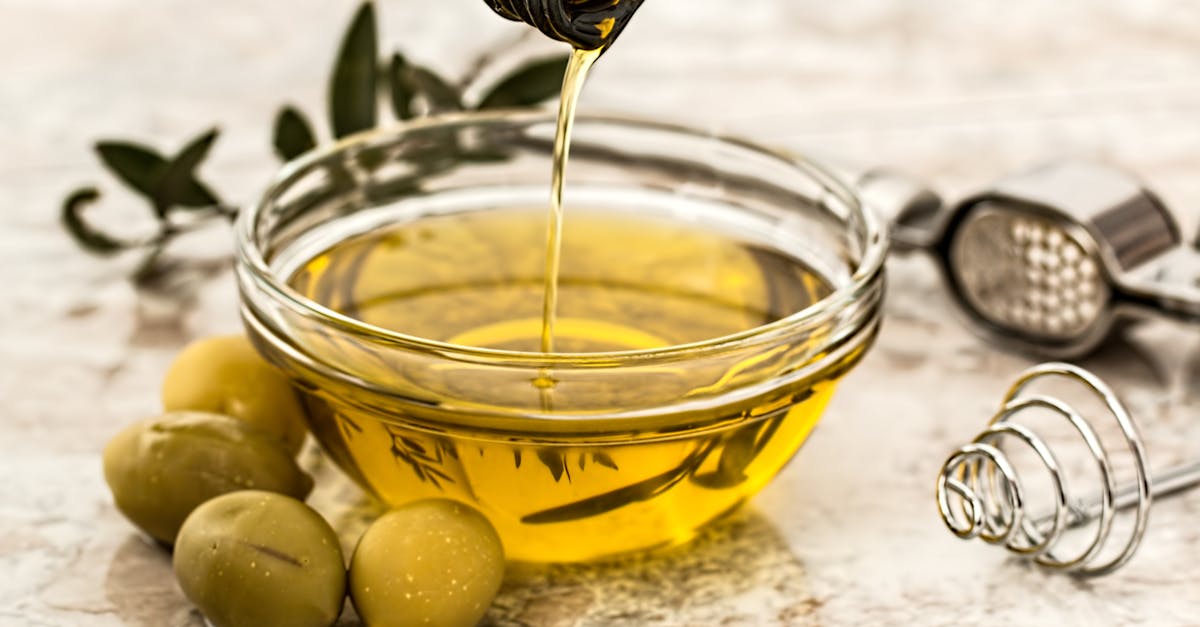
Anyone running a kitchen knows olive oil is one of those quiet costs that adds up fast, and when a bad harvest sends prices climbing, it’s felt across the whole menu. So it’s no surprise that restaurants and retailers are getting choosier about how they buy bulk olive oil, trying to balance the oils they actually want with what makes sense for the budget and a supply they can count on. This article walks through the trends shaping the market this year, from the pull towards premium and organic to the rethink on packaging and sourcing.
Key Takeaways
- Bulk olive oil buying trends in 2026 show a strong shift towards premium and organic oils, with significant growth expected in these segments.
- Sustainability and ethical sourcing, including traceability and certifications like organic and fair-trade, have become vital criteria for restaurants and retailers.
- Flavoured and infused bulk olive oils in convenient packaging formats are increasingly popular in professional kitchens for consistent flavour and cost management.
- Regional culinary preferences heavily influence bulk olive oil selection, with suppliers like Range Products providing tailored sourcing from major producing countries.
- Innovative packaging such as bag-in-box and recyclable containers help preserve olive oil quality and support environmental goals.
- Price sensitivity drives bulk purchasing strategies, with flexible contracts and volume-based buying helping businesses manage costs and supply stability.
The Growing Demand for Premium and Organic Olive Oils
Premium and organic olive oils are increasingly preferred by both restaurants and retailers worldwide. The global olive oil market is expected to grow noticeably from around USD 20.31 billion in 2026 to USD 34.17 billion by 2034, at a compound annual growth rate near 6%. Buyers are shifting away from commodity refined oils, instead favouring extra virgin and speciality regional oils with certified organic labels. North America, Europe, and affluent regions of Asia-Pacific particularly drive this demand. In food service, specifying the olive oil’s grade, origin, and even harvest date has become common for menu transparency. Retailers are expanding organic and premium extra virgin olive oil product lines, often under private labels. Suppliers like Range Products support these trends by offering certified organic grades and regularly testing raw materials to meet quality standards required by professional users.
Shifts Towards Sustainable and Ethical Sourcing Practices
Sustainability forms a core purchasing criterion as buyers increasingly seek traceability back to mills and growers. Bulk buying itself reduces overall packaging waste and transport emissions, helping businesses lower their environmental footprint. Certifications such as organic, fair-trade style schemes, ISO 14001, and carbon footprint labels are becoming mandatory for many restaurant chains and retail groups, especially in Europe. Complying with EU sustainability directives features prominently in procurement decisions. Companies like Range Products, with their independent ingredient testing and global supply chains, ensure compliance and transparency, supporting customers who prioritise ethical sourcing and reduced environmental impact.
The Rise of Flavoured and Infused Bulk Olive Oils
Flavoured and infused olive oils are gaining traction in the food-service sector, particularly in bulk formats designed for commercial use. Oils infused with garlic, chilli, herbs, or citrus provide restaurants with convenient, consistent ingredients for dressings, marinades, and finishing touches. Suppliers increasingly offer these products in bulk packaging such as bag-in-box or 3 to 10-litre cans, allowing multiple outlets to maintain uniform flavour profiles while managing costs effectively. Range Products, for example, supplies flavoured oils in these formats, catering to professional kitchens that demand high volume and quality consistency.
Impact of Regional Preferences on Bulk Olive Oil Selection
Regional culinary traditions strongly influence the choice of bulk olive oil. In Mediterranean and Middle Eastern countries, bulk extra virgin and pomace oils are standard for cooking and table use. Northern Europe and North America tend towards milder extra virgin oils and high-oleic blends suitable for frying. Asian markets often prefer neutral-flavoured or blended oils, where olive-pomace varieties compete price-wise with other vegetable oils. Also, the demand for specific origins drives buying patterns, Italian oils lead premium retail segments, while Spanish, Greek, and Turkish oils dominate volume-oriented markets. Range Products’ global supplier network enables sourcing tailored to these regional preferences, offering traceable bulk lots from key producing countries.
The Role of Packaging Innovations in Bulk Olive Oil Sales
Packaging innovations have improved bulk olive oil preservation and handling. Bag-in-box and cube or box formats in sizes like 3 or 10 litres shield oil from light and oxygen, preserving flavour and shelf life. Lightweight, recyclable PET containers, reusable stainless steel vessels for refill systems, and recyclable tins are also gaining acceptance. Dispensing systems fitted with taps or closed-circuit connectors limit oxidation and waste, making portion control easier in commercial kitchens. Range Products incorporates these packaging trends, offering environmentally considerate and practical options designed to maintain oil quality while meeting operational needs.
Price Sensitivity and Bulk Purchasing Strategies Among Buyers
Price remains a critical factor, with bulk formats providing clear cost advantages over smaller retail bottles, aiding restaurants in managing tight food budgets. Buyers typically segment suppliers based on volume needs: moderate volumes sourced from food service distributors, and larger quantities like pallets or containers acquired through wholesale or ingredient-specialist suppliers. Operators evaluate not just price but also delivered cost implications, storage capacity, and consumption rates to avoid degradation before use. Retailers commonly enter long-term contracts and apply hedging strategies to mitigate risks linked to harvest volatility caused by weather, pests, or geopolitical issues. Range Products supports customers with flexible contract options and dependable supply planning to ensure competitive pricing and stable availability.
Technological Advances Influencing Bulk Olive Oil Supply Chains
Technological progress plays a significant role in improving bulk olive oil quality and traceability. Advanced milling and filtration techniques enable higher yields and consistent product quality in large batches. Digital traceability tools such as QR codes, blockchain tracking, and integrated ERP systems help full transparency from grove to end user. Real-time monitoring of quality parameters like peroxide value and phenolic content ensures standard compliance during storage and transport. Temperature-controlled logistics further protect oil integrity. Also, online B2B marketplaces and platforms broaden access for smaller operators to procure bulk and semi-bulk quantities competitively. Range Products embraces these technologies, offering customers real-time data, quality assurance documentation, and flexible ordering through digital channels.
About Range Products
Business: Range Products
Spokesperson: Penny Coupland
Position: Business Owner
Phone: +61 8 9358 4448
Email: [email protected]
Location: 6/138 Radium St., Welshpool WA, 6106 Australia
Website: https://www.rangeproducts.com.au/
Google Maps Link: https://maps.app.goo.gl/VLNwF2FxKbZ9k1nP6
FAQs About Bulk Olive Oil Buying for Restaurants and Retailers
What are the main trends in bulk olive oil buying for restaurants in 2026?
In 2026, restaurants increasingly prefer premium, organic, and extra virgin olive oils, emphasising product origin and harvest date. They also seek flavoured oils in bulk, sustainable sourcing with certifications, and packaging innovations like bag-in-box to ensure quality and transparency.
How does bulk purchasing of olive oil benefit retailers and restaurants?
Bulk purchasing reduces packaging waste and transport emissions, lowers unit costs compared to small bottles, and helps manage food budgets. It also supports consistent supply while enabling buyers to choose sustainable, traceable products that meet quality and operational needs.
Why is sustainable and ethical sourcing important in bulk olive oil procurement?
Sustainability is critical as buyers demand traceability from mills and growers, certifications like organic or fair-trade, and compliance with environmental standards such as EU directives. Bulk formats further reduce packaging and carbon footprints, aligning with ethical procurement policies.
What role do packaging innovations play in bulk olive oil sales?
Innovations like bag-in-box, recyclable tins, and reusable stainless steel containers protect oil from light and oxygen, preserving flavour and shelf life. Dispensing systems reduce oxidation and waste, helping commercial kitchens control portions and maintain quality efficiently.
How do regional preferences influence the choice of bulk olive oil?
Regional culinary traditions affect bulk olive oil selection: Mediterranean markets favour extra virgin and pomace oils; Northern Europe and North America prefer milder extra virgin or high-oleic blends; Asian markets often choose neutral or blended oils. Origin-specific oils (Italian, Spanish, Greek) match consumer expectations accordingly.
What technological advances impact bulk olive oil supply chains?
Advances include improved milling and filtration for consistent quality, digital traceability tools like QR codes and blockchain for transparency, real-time quality monitoring during storage, temperature-controlled logistics, and online B2B marketplaces expanding access for smaller buyers.